November 26, 2026
Pressure Cleaning in Engadine: Managing Moss and Leaf Stains
By @danteobwp184
Engadine is one of the greener suburbs of the Sutherland Shire. It sits beside the Royal National Park and is full of established gum trees, leafy streets and shaded backyards. That setting is a big part of the area's appeal, but it is also tough on driveways, pavers, roofs and fences. Moss, algae, lichen and tannin stains from fallen leaves build up quickly in these conditions. This guide explains why they develop, how professional pressure cleaning deals with them, and what you can do to slow them from coming back in 2026 and beyond.
Why Engadine Properties Are Prone to Moss and Leaf Stains
Several local factors combine to create ideal growing conditions for moss and organic staining.
Tree Cover and Shade
Many Engadine blocks have mature eucalypts, angophoras, bangalay and other native trees, along with large garden plantings. Dense canopy blocks sunlight, so surfaces stay damp for longer after rain or morning dew. Damp, shaded concrete, sandstone and pavers are the places moss and algae establish first.
Sandstone Country and Porous Surfaces
The Shire sits on Hawkesbury sandstone, and sandstone retaining walls, steps, garden edging and paving are common across Engadine. Sandstone is naturally porous, so it holds moisture and absorbs tannins and organic matter. This makes it more prone to green and black growth than dense, sealed surfaces.
Coastal Humidity and Rainfall
Sydney's east coast climate brings regular rain, particularly in autumn and winter, plus humid summer weather. Being close to the national park and the coast means moisture lingers in the air. Combined with mild temperatures, this keeps moss, mould and algae active for much of the year.
Leaf Litter and Tannin Staining
Gum leaves, bark, seed pods and flowers drop throughout the year, not just in autumn. When wet leaves sit on concrete, pavers or decking, they release tannins that leave brown or grey patches. These stains can become permanent if the organic matter is left in place for months.
Understanding What You Are Cleaning
Different growths and stains need different approaches, so it helps to identify what is on your surfaces.
- Moss: A soft, green, cushion-like growth that holds water against the surface and can lift pavers, damage mortar and make surfaces slippery.
- Algae: A green, slimy or powdery film, often seen on shaded paths and north-facing walls that stay damp. It is one of the main causes of slippery driveways and steps.
- Lichen: A flat, crusty growth in grey, green, yellow or orange patches. It clings tightly to roof tiles, stone and brick and needs the right treatment, not just high pressure.
- Mould and mildew: Black or grey spotting, common on fences, render, pergolas and the underside of eaves.
- Tannin stains: Brown or tea-coloured marks from leaves, bark and flowers, most visible on light concrete, pavers and pool surrounds.
Why Moss and Leaf Stains Are More Than a Cosmetic Problem
A green or stained driveway might seem like a minor issue, but there are practical reasons to deal with it.
Slip hazards. Wet moss and algae are extremely slippery. Steps, paths, driveways and pool surrounds are the main risk areas, especially for children, older residents and anyone carrying shopping or bins.
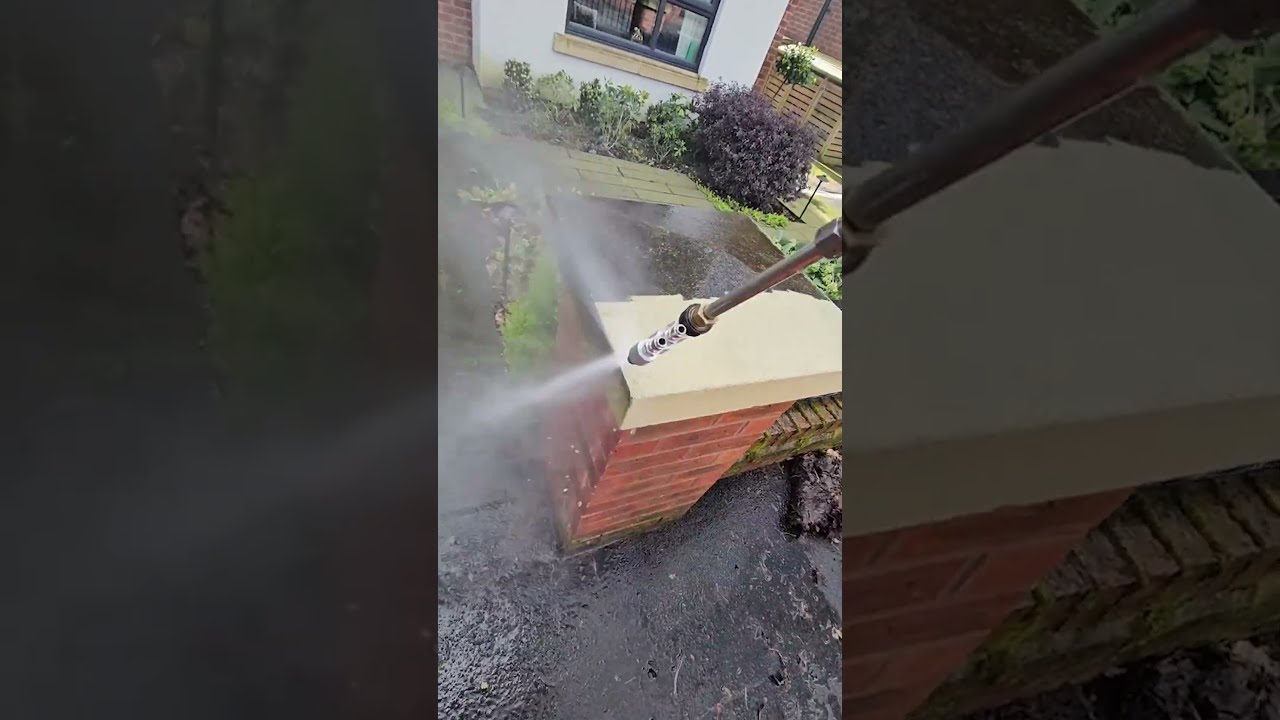
Surface deterioration. Moss holds moisture against the surface. Over time this can contribute to cracking, flaking and deterioration, particularly in older concrete, sandstone and mortar joints.
Roof and gutter problems. Moss and lichen on roof tiles can trap moisture and lift tile edges. Leaf build-up in gutters and valleys can cause overflow, which then stains walls and paving below.
Property presentation. Clean exteriors make a noticeable difference when you are selling, renting out or simply maintaining the value of your home. Many Engadine homes are in established streets where presentation matters.
How Professional Pressure Cleaning Removes Moss and Stains
Effective cleaning is about more than blasting a surface with water. The right method depends on the material, the type of growth and how deeply it has set in.
Assessment and Preparation
A professional starts by identifying the surface type and the growth involved. Plants, outdoor furniture and vehicles are moved or protected, and nearby doors, windows and electrical outlets are considered before any water is applied.
Pre-Treatment with Appropriate Cleaning Solutions
For moss, algae and mould, a biodegradable or surface-appropriate treatment is often applied first. This loosens and kills the growth at its source, so it does not simply regrow from remnants left in pores and joints. For tannin stains, specific cleaners may be used to break down the discolouration rather than relying on pressure alone.
Correct Pressure and Technique
Different surfaces need different pressure levels. Dense concrete can handle more force, while soft sandstone, older mortar, timber and roof tiles can be easily damaged. Too much pressure can etch concrete, strip the face off sandstone, push water under roof tiles or leave visible streaks. Surface cleaners with rotating heads are commonly used on large flat areas like driveways to produce an even finish without the striping that a hand wand can cause.
Rinsing and Final Checks
After cleaning, surfaces are rinsed thoroughly and checked for missed patches. Joints between pavers and edges along garden beds are inspected, since these are the places moss reestablishes first.
Surface-by-Surface Guide
Concrete Driveways and Paths
Concrete is durable and responds well to pressure cleaning. Oil, tyre marks and tannin stains may need a pre-treatment. Once clean and fully dry, sealing can help reduce how much dirt and moisture the surface absorbs.
Sandstone Steps, Walls and Paving
Sandstone needs a gentler approach. Lower pressure, wider spray patterns and suitable treatments help remove growth without eroding the surface. Because it is porous, it can re-stain faster than concrete if not maintained.
Pavers and Pool Surrounds
Pavers often develop moss in the joints. Cleaning removes it, and re-sanding the joints afterwards helps stabilise the pavers and slow regrowth. Around https://rowanscqu081.westhavenscope.com/posts/the-environmental-impact-of-pressure-cleaning-chemical-waste pools, only pool-safe cleaning products should be used, and non-slip results are a priority.
Roofs
Roof cleaning is a specialised job. High pressure can damage tiles or force water beneath them, so soft washing or low-pressure methods with appropriate treatments are generally recommended. Working at height also carries serious safety risks, so this is best left to trained and insured professionals.
Decks, Fences and Timber
Timber is soft and can splinter or furry up under high pressure. Lower pressure and the correct technique, working along the grain, protect the timber. Re-oiling or sealing after cleaning helps defend against moisture and mould.
Environmental and Regulatory Considerations in the Shire
Engadine is close to bushland, creeks and the Royal National Park, so what happens to wash-off water matters. Stormwater drains in the Sutherland Shire flow to local waterways, and cleaning residue, sediment, detergents and moss debris should not be allowed to wash freely into them.
- Use biodegradable cleaning products that are suitable for the surface and the surrounding garden.
- Block or divert water away from stormwater pits, where possible, and collect or filter wastewater from larger jobs.
- Avoid washing chemicals into garden beds, bushland edges or natural watercourses.
- Dispose of collected sludge and debris correctly, not into the street gutter.
Reputable operators are familiar with these requirements and follow wastewater management practices. Water use is also worth keeping in mind. Efficient equipment such as surface cleaners can reduce water consumption compared to hand-held wands, and you should check for any current water restrictions in Sydney before booking.
DIY Versus Hiring a Professional
Light cleaning of small areas can be done by homeowners, but there are limits to what is sensible and safe.
When DIY Can Work
- Small areas of light algae on flat, sturdy surfaces such as a concrete path.
- Regular sweeping and leaf removal to prevent tannin staining.
- Gentle scrubbing and rinsing with a stiff broom and hose on minor mould.
When to Call a Professional
Larger driveways, sandstone features, roofs, multi-storey exteriors, heavily stained surfaces and anything near electrical fittings are better handled by an experienced operator. Hire-shop machines can be powerful enough to cause real damage, such as gouging concrete, stripping sandstone, damaging window seals or causing injuries from high-pressure water jets. Professionals also have commercial-grade equipment, surface cleaners and wastewater controls that most households do not.
Preventing Moss and Leaf Stains from Returning
No cleaned surface will stay pristine forever in a leafy suburb, but a few habits can extend the time between cleans.
- Sweep or blow leaves regularly. Do not let wet leaf litter sit on paving, decking or driveways, especially after rain.
- Clear gutters and downpipes. Overflowing gutters send tannin-rich water down walls and onto paths. Cleaning them at least twice a year is a reasonable baseline in tree-heavy areas.
- Trim back vegetation. Pruning overhanging branches, with any required council approvals for protected or large trees, lets in more light and airflow, helping surfaces dry out.
- Improve drainage. Fix areas where water pools, such as low spots, blocked drains or poorly angled paving, since standing water encourages algae and moss.
- Apply a suitable sealer. Penetrating sealers for concrete, pavers and sandstone can reduce absorption of moisture and tannins, making future cleaning easier.
- Use preventive treatments. Periodic applications of mould and algae inhibitors can slow regrowth in shaded areas.
- Schedule regular cleaning. In shaded or heavily treed Engadine properties, an annual clean is common, while sunnier areas may need less frequent attention.
Best Times of Year for Pressure Cleaning in Engadine
Cleaning can be done year-round, but timing can improve results. Late winter and early spring are popular because moss and algae have built up over the cooler, wetter months, and cleaning at this stage prepares outdoor areas for the warmer season. Autumn cleaning can follow the heaviest leaf drop, though additional leaf fall may continue afterwards. Dry, mild days are ideal because surfaces dry faster, which allows sealing to be done sooner and reduces the chance of fresh growth taking hold straight away. Avoid very hot, windy days, which can cause cleaning solutions to dry too quickly and leave streaks.
What to Ask Before Booking a Pressure Cleaning Service
- Do they hold current public liability insurance, and do they have experience with your surface type?
- How do they manage wastewater and protect stormwater drains?
- Do they adjust pressure and method for sandstone, timber and roofs?
- Will they provide a written quote that clearly lists the areas and services included?
- Do they offer sealing, re-sanding of paver joints or follow-up maintenance advice?
Final Thoughts
Moss, algae and leaf stains are an ordinary part of living in a green, tree-lined suburb like Engadine, but they do not need to take over your driveway, paths or roof. Understanding the cause, choosing the right cleaning method for each surface and keeping up with simple maintenance will protect your property, keep outdoor areas safer and make your home look its best. For larger or more delicate jobs, a qualified local pressure cleaner who understands Sutherland Shire conditions can deliver a better result without risking damage to your surfaces or the surrounding environment.
Sutherland Shire Pressure Cleaning Pros
Unit 4/78 Bellingara Rd, Miranda NSW 2228
(02) 9541 8700
❧